Practical guide / 06 steps

A method for the whole car decision

Move from the job the car must do to the evidence, costs, maintenance plan and eventual exit. Keep notes: the record is part of the decision.

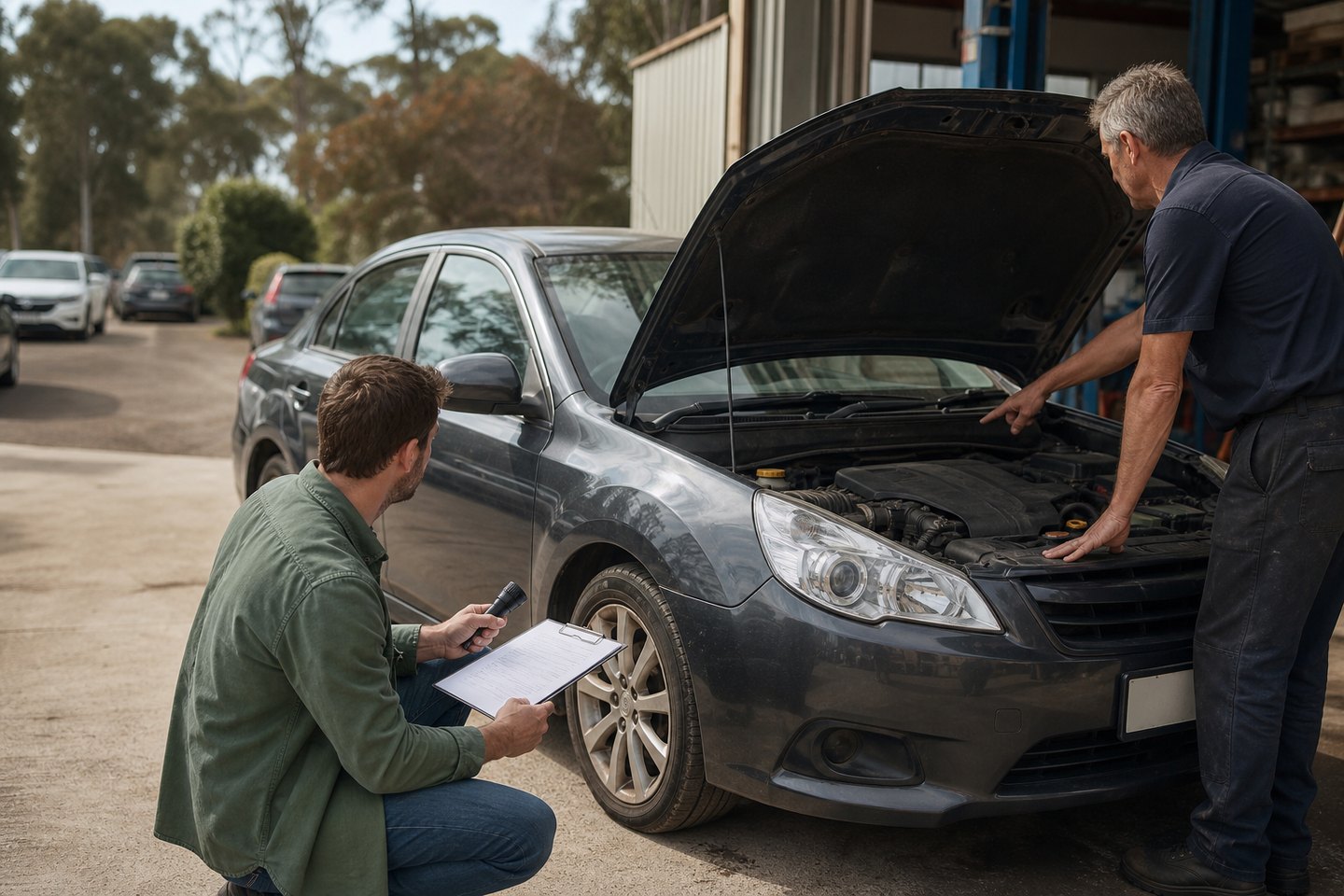
A buyer and mechanic complete a practical used-car inspection
01

Define the job, then compare

Your requirements make unlike cars comparable. Record weekly kilometres, passenger and load needs, parking limits, road mix, licence constraints and the total amount available.

Use those inputs to create a shortlist with the same evaluation criteria. The practical result is a ranked set of candidates; the common risk is letting one appealing feature rewrite the brief.

Inputs: use, space, roads, budget, ownership horizon.

Result: a defensible shortlist.

02

Investigate the used-car offer

Collect the listing, seller identity, VIN details, registration status, service material and reasons for sale before investing in travel or inspection.

The result should be a list of facts to verify and questions to ask. The typical risk is treating a polished advert or a friendly conversation as evidence.

Inputs: listing, VIN, seller answers and records.

Result: a purchase brief.

03

Reconcile condition and history

Arrange an independent mechanical inspection and examine tyres, fluids, warning lights, body alignment, interior wear and cold-start behaviour where possible.

Match findings to dates, odometer readings and invoices. The result is a condition picture with priced next actions; the risk is relying on a history report without inspecting the physical car.

Inputs: inspection, history report, invoices and observations.

Result: verified issues and open questions.

04

Forecast the ownership cost

Add purchase and transfer costs to registration, insurance, fuel, servicing, tyres, parking and a repair allowance appropriate to age and use.

Model a normal year and a difficult one. The output is a range rather than a promise; the risk is comparing repayments while ignoring depreciation and irregular maintenance.

Inputs: kilometres, quotes, consumption and service schedule.

Result: a realistic annual range.

05

Plan care before trouble

Start from the manufacturer schedule, then account for missed work, harsh use, age-sensitive items and recommendations supported by a mechanic who has seen the car.

Keep invoices and dates in one place and review emerging symptoms promptly. The result is a living maintenance plan; the risk is replacing parts by folklore or deferring small faults until they combine.

Inputs: schedule, records, inspection and usage.

Result: prioritised service actions.

06

Prepare the next ownership decision

Review changing needs, likely repair exposure, market position and the value you still receive from the car. Good long-term ownership can include keeping a modest car well beyond fashion cycles.

If selling or trading, prepare accurate photographs, records and a candid description. The result is a clear keep-or-sell case; the risk is waiting for a forced decision after maintenance has been neglected.

Inputs: needs, condition, costs, records and market evidence.

Result: a timed retention or sale plan.